
Stone renovation
Professional Stone Restoration and Maintenance for Sustainable Beauty
Stone restoration is about restoring stone surfaces to their original condition and extending their lifespan. Through specialized techniques, damage can be repaired and the shine restored.
Stone Restoration and Maintenance for Sustainable Stone Surfaces
Preserving and renewing stone surfaces requires expertise and precision. Stone restoration can repair damage, polish surfaces and restore shine, whether on stairs, window sills or facades. With the right treatment, stone will last longer and retain its natural beauty.
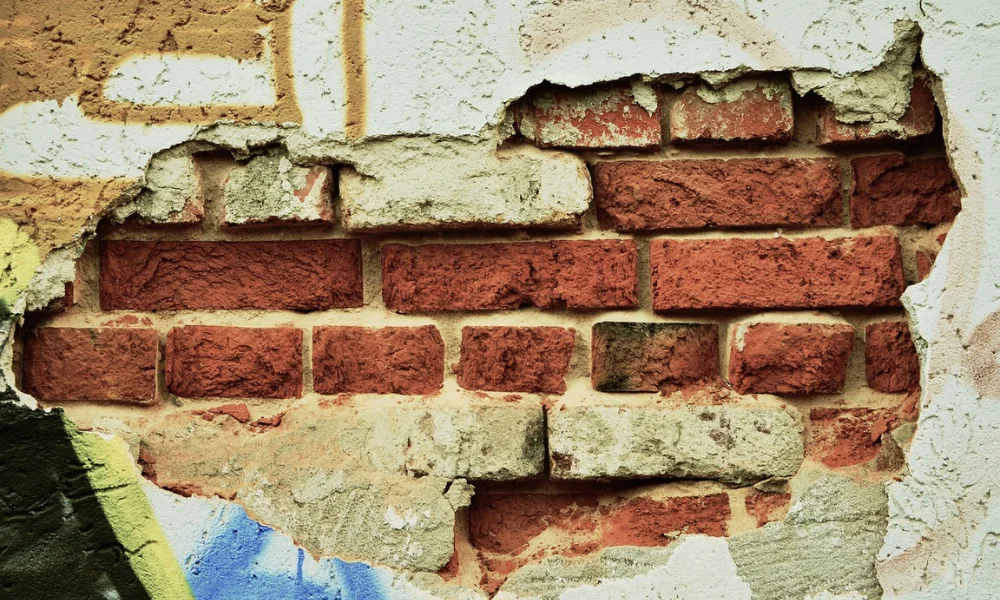
Introduction to deep cleaning of stone surfaces
Deep cleaning of stone staircases, window sills and stone facades is of great importance to preserve both the appearance and functionality of these surfaces. Stone surfaces are subject to various types of stresses, ranging from environmental impacts to mechanical damage. Regular and thorough cleaning helps to remove dirt, algae, mold and other contaminants that can degrade the quality of surfaces over time. By investing time and resources in deep cleaning, both individuals and property managers can extend the life of their stone surfaces.
It is important to understand the importance of keeping stone surfaces clean. Firstly, stone stairs, for example, are not only an aesthetic part of the building, but they are also critical for safety. Dirt and debris can make stairs slippery, increasing the risk of accidents. In addition, dirty window sills can negatively affect light penetration, creating an undesirable atmosphere and can lead to additional costs in terms of lighting.
Furthermore, in the absence of proper cleaning, dirt and impurities can penetrate the pores of the stone. This can lead to a range of damage, including discoloration and surface degradation. Consistent deep cleaning is therefore a necessity to ensure that stone surfaces do not suffer permanent damage that can be costly to repair. Addressing these challenges early and regularly can help preserve the functionality and beauty of stone surfaces, while preventing potential problems.
Want to start a project with us?
Get in touch today and we'll make your vision a reality. Contact us now, and together we will take the first step towards creating something amazing!
Different types of stone materials and their cleaning
Stone staircases, window sills and stone facades are common features of buildings, and the different types of stone materials used in these structures have unique properties that affect cleaning. The most popular stone materials include granite, marble, limestone and slate. These materials vary in hardness, porosity and chemical composition, which in turn means that they require different cleaning methods.
Granite is an extremely hard and resistant material that is often used for stairs and surfaces that are subjected to heavy wear. Thanks to its low porosity, granite is relatively easy to clean with plain water and mild detergents. The use of strong acids or alkaline cleaners should be avoided, as they can damage the surface over time.
Marble is known for its elegant appearance but is much more porous than granite. This means that marble is more susceptible to stains and chemical attack. For cleaning marble, it is important to use pH-neutral cleaning agents and avoid acid-based products, which can etch the surface and create permanent damage. Regular impregnation is recommended to protect the marble surface from stains.
Limestone and slate, on the other hand, are more absorbent and may require more careful cleaning. Limestone is sensitive to acids, which means that using acidic cleaners such as vinegar could cause significant damage. Slate is often more robust but can also be affected by improper cleaning methods. Adapting the cleaning method to the type of stone is crucial to ensure long-term durability and to preserve the aesthetics of the stone.
Tools and products for deep cleaning
Deep cleaning of stone stairs, window sills and stone facades requires specific tools and products to ensure that the surfaces are cleaned thoroughly and gently. Choosing the right cleaner depending on the type of stone is a given. For porous stones, such as limestone and sandstone, mild, pH-neutral cleaning solutions that do not damage the surface are recommended. For more durable materials such as granite, stronger cleaning agents can be used, but it is important to always follow the manufacturer's instructions.
When choosing brushes, it is crucial to use those adapted for stone surfaces. Brushes with synthetic bristles are a popular choice, as they provide a good balance between hardness and gentleness. It is also worth considering investing in angle grinders with special cleaning discs to reach hard-to-reach areas. For easier cleaning, high-quality sponges can offer an effective method of removing dirt without scratching the stone.
Furthermore, there is a range of machines that can help with deep cleaning. High-pressure water hoses can be effective in rinsing away debris and dirt, but should be used with care to avoid the water penetrating the pores of the stone. Using a steam machine can also be a good solution, as it uses heat to dissolve dirt and bacteria, resulting in a deeper clean.
One aspect that is becoming increasingly important is the choice of environmentally friendly products. Many manufacturers now offer cleaning products that are biodegradable and free of harmful chemicals. When choosing products, make sure they meet environmental standards and are safe for both users and the environment. Taking these factors into account not only ensures an effective result but also contributes to the sustainable care of stone surfaces.
Step-by-step guide to deep cleaning stone stairs
Deep cleaning stone stairs may seem like a challenging task, but with the right technique and preparation, the process can be significantly easier. To ensure that the cleaning is carried out effectively and that the stairs are not damaged, follow these steps.
Initially, it is important to prepare the work area. Remove all furniture and decorative items from the stairs to allow free access. Make sure the surface is dry, and inspect the stairs carefully for any cracks or damage that may be aggravated by the cleaning procedure. Use a broom or a vacuum cleaner to remove obvious dirt and debris. This first step is crucial to prevent the debris from scratching the stone during cleaning.
The next step involves choosing the right cleaning agent. For stone stairs, a pH-neutral cleaner is recommended, as acids or strong chemicals can damage the stone. Mix the cleaner according to the instructions on the package and apply it to the stairs with a soft brush. Make sure to work in sections to avoid the cleaning solution drying before it has taken effect.
After allowing the cleaner to work for a few minutes, gently scrub the stairs with a soft brush to remove any soaked dirt and stains. Avoid using steel wool or other hard brushes that can scratch the surface. Once scrubbing is complete, rinse the staircase thoroughly with clean water to remove any residual cleaner.
Finally, let the staircase dry completely before putting back furniture or other items. It's also a good idea to apply an impregnation to the stone after cleaning to protect against future dirt and to preserve the stone's appearance.By following this step-by-step guide, you can ensure that your stone staircase stays clean and in good condition over time.
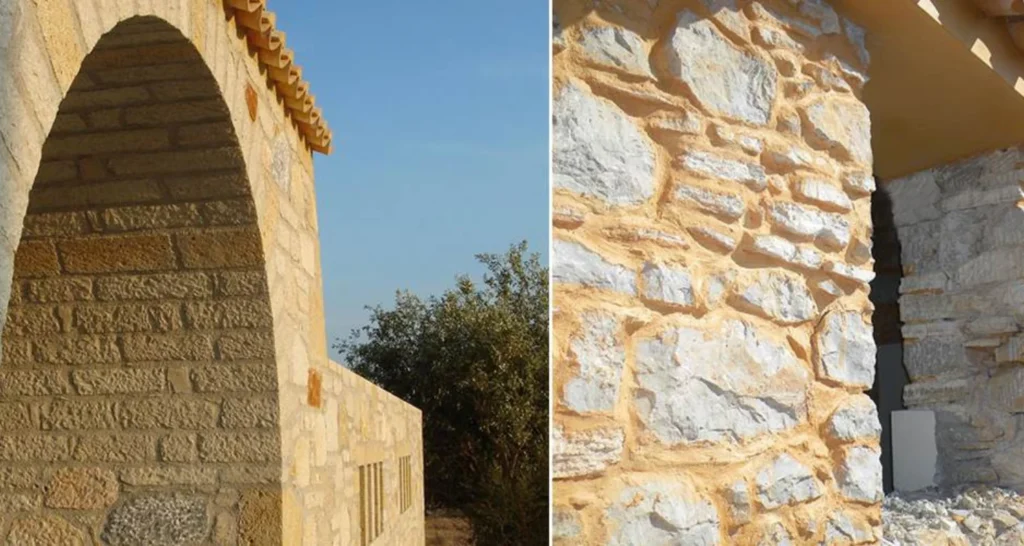
Deep cleaning of stone window sills
Deep cleaning of stone window sills is essential to ensure both the aesthetics and durability of these surfaces. Stone materials are particularly susceptible to dirt, mold and water deposits. These elements can cause damage and make window sills less attractive over time. To effectively clean stone window sills, there are several methods and techniques that can be applied.
One of the most common methods of deep cleaning is to use a mixture of warm water and a mild detergent. Using a soft brush is essential to work off dirt and mold without damaging the stone. For more difficult stains, a solution of water and vinegar can be used, which is both effective and environmentally friendly. It is important to always rinse thoroughly with clean water after cleaning to avoid any residue from the cleaner that could damage the stone in the long run.
When cleaning stone window sills, you may also want to use a pressure washer, but this should be done carefully. Too much pressure can damage the stone and ruin its surface. Note that the pressure washer should be used at a distance of about 30 cm from the surface to minimize the risk of damage.
After cleaning, it is important to protect the window sills to prevent future problems. Using a water-repellent sealer can be an effective measure to prevent dirt and mold from taking hold. Applying the sealer on a regular basis will minimize the risk of staining and extend the life of the stone surfaces. By following these methods and tips, you can ensure that your stone window sills remain beautiful and durable for a long time to come.
Cleaning and maintenance of stone facades
Stone facades are a popular and sustainable design solution for both commercial and residential buildings. Initiated by their aesthetic and functional qualities, these facades however require consistent and careful maintenance to preserve their appearance and increase their lifespan. In urban areas where air pollution is common, dirt, pollutants and debris can accumulate on the stone surfaces, further justifying the importance of a proper cleaning.
One of the most common methods of cleaning stone facades is pressure washing. By using high-pressure water, debris and dirt can be effectively removed from the surface. However, it is important to use this method with caution, as too much pressure can damage the stone or the finish. It is always recommended to test a small area first before starting the full cleaning.
In addition to pressure washing, there are several other methods to deal with stains and contaminants on stone facades. Chemical cleaning solutions can be effective in removing specific types of stains, such as oil or mold. These products should be carefully selected to ensure that they are compatible with the type of stone used, as well as following the manufacturer's instructions carefully.
Regular maintenance is also essential to extend the life of stone facades. This includes inspections to identify surface problems and damage in time. With regular maintenance, minor problems can be addressed before they develop into major damage, saving costs and preserving the integrity of the façade.
By prioritizing the cleaning and maintenance of stone facades, property owners can not only improve the aesthetics of the building, but also protect their investment in the long run. Understanding and implementing effective maintenance practices ensures that the stone façade remains a beautiful and functional part of the buildings.
Natural and chemical cleaning methods
Cleaning stone stairs, window sills and stone facades can be carried out using both natural and chemical methods. Each method has its unique advantages and disadvantages, making the choice of cleaning technique important depending on the specific need and the type of dirt to be removed. Natural cleaning methods, such as vinegar and bicarbonate of soda, are often more environmentally friendly options and safer to use in the home. These products can effectively remove light stains and dirt without damaging the surface of the stone. Translated with DeepL.com (free version)
A major advantage of natural cleaning solutions is that they usually do not contain harsh chemicals, reducing the risk of harm to the environment and the health of those who handle them. Vinegar acts as an acid that can break down mineral deposits, while bicarbonate is a mild abrasive that can be used to scrub away stains. These solutions are also cost-effective and easy to make at home, making them an attractive cleaning option. Translated with DeepL.com (free version)
Dealing with stains and damage on stone surfaces
Stone surfaces, such as stone staircases, window sills and stone facades, can, over time, show stains and damage that can affect their appearance and durability. Dealing with these stains and damages correctly is crucial to restore and preserve the aesthetic quality of stone materials. Oil stains are common on stone surfaces, especially in areas where cooking or grilling occurs. To remove oil stains, it is important to use a suitable cleaner specially formulated for stone surfaces. Apply the cleaner directly to the stain and leave it on for a while before scrubbing with a soft brush to avoid scratching.
Rust stains, which often arise from iron or metal objects, can be more difficult to remove. To deal with rust on stone surfaces, it is recommended to use a specific rust removal solution. Make sure to follow the manufacturer's instructions carefully and always test the product on a small, hidden surface first to ensure that it will not damage the stone.
Scratches on stone surfaces are another common damage that can occur due to wear. Depending on the depth of the scratch, it may be necessary to perform polishing using special stone polishes. For deeper scratches, it may be wise to consider professional help to grind down the damaged part and thus restore the surface to its original condition.
Identifying and addressing stains and damage quickly is crucial to ensure that tempered stone surfaces remain attractive and functional. Regular maintenance, including deep cleaning and proper management of stains and damage, helps to extend the life and preserve the beauty of stone materials.
Concluding thoughts: The importance of continuous maintenance
To ensure that stone staircases, window sills and stone facades retain their beauty and durability for a long time, continuous maintenance is essential. Stone surfaces are exposed to various stresses, including weather conditions, dirt and mechanical wear, which can affect their structure and appearance. By carrying out regular maintenance, stone surface owners can identify problems early and address them before they develop into major damage.
Prevention plays a key role in the maintenance process. Regular inspections of stone stairs, window sills and stone facades can help detect cracks, discoloration or contamination. These inspections should be carried out at least once a year, and it is important to note any changes in the condition of the stone surface. It can be useful to document these inspections so that trends can be easily seen over time and action can be taken rather than waiting until the damage becomes severe.
Furthermore, it may be wise to invest in professional deep cleaning when necessary. Such cleaning can restore the shine of stone surfaces and prevent the build-up of dirt and algae that can accelerate the degradation of the stone. It is also important to use the right products and methods for cleaning and maintenance, to protect the properties of the stone.
As a final recommendation, it is worth ensuring that drains and drainage systems are cleaned regularly to prevent water accumulation around stone surfaces. By following these guidelines and considering the importance of continuous maintenance, owners can enjoy their stone staircases, window sills and stone facades for many years to come.
Follow us on social media:


