
Stone laying
Professional Paving for Sustainable and Aesthetic Surfaces
Paving is an important process for creating durable and aesthetic surfaces on walkways, driveways and patios. Through careful execution, you get a functional and long-lasting solution that also enhances the overall impression of the surroundings.
Paving - A Process for Sustainable and Stylish Results
Paving is an important part of creating beautiful and well-ordered surfaces. Through careful planning and execution, results can be achieved that are both functional and visually appealing. It is a solution that suits different needs and environments.
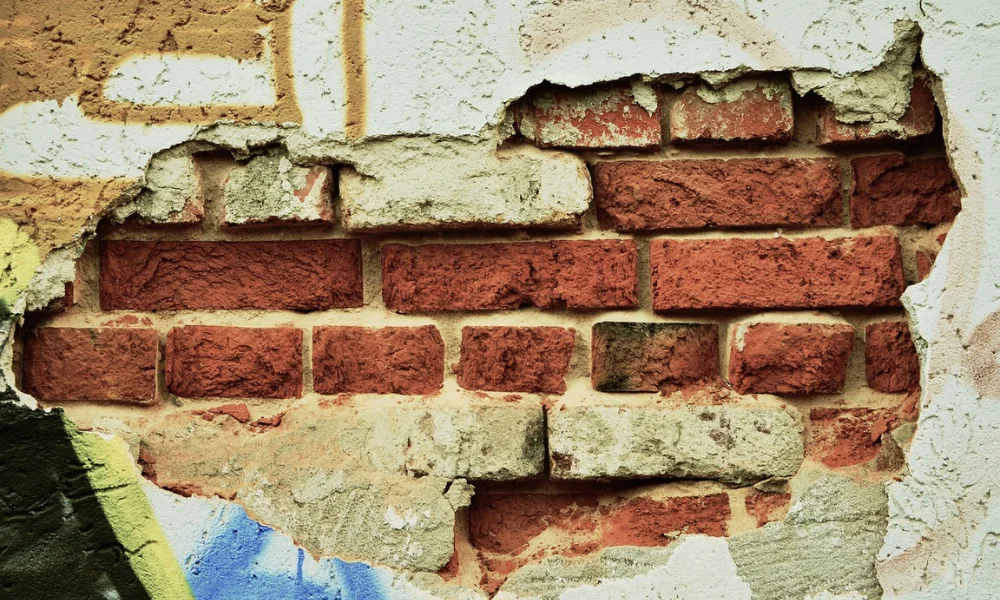
Introduction to paving
Paving is a popular method for creating both functional and aesthetic surfaces, whether for indoor or outdoor projects. The choice of materials and tools is crucial to achieve a satisfactory result. There are a variety of different types of stone that can be used, each with its own characteristics and advantages, providing opportunities to customize the design according to specific needs and preferences.
Granite peat, limestone and slate are among the most common stones used in paving. Granite is known for its durability and resistance to weathering, making it ideal for outdoor surfaces. Limestone offers a softer, more natural look and is often used in gardens or as an elegant option for walkways. Slate, with its distinct colors and textures, provides a unique aesthetic touch and is often used in both indoor and outdoor environments.
In addition to the choice of materials, it is important to consider the tools required for the paving process. Basic tools include shovels, hammers, and levels, as well as specialized tools depending on the scope of the project. Choosing the right tools can significantly simplify the work and guarantee a more precise installation.
Careful preparation and planning is essential to ensure that the installation is durable and functional. It involves creating a proper foundation and preparing the surface to ensure that the stones are stable and even over time. Therefore, it is important to invest time in the initial phase of the project to avoid problems in the future.
Want to start a project with us?
Get in touch today and we'll make your vision a reality. Contact us now, and together we will take the first step towards creating something amazing!
Repair and maintenance of stone surfaces
Stone surfaces, both indoors and outdoors, can be subject to various types of damage through natural stresses and regular use. Common problems that can occur include cracks, chipping and abrasions, which can affect both the aesthetics and functionality of the surfaces. A thorough understanding of these damages is essential for proper repair and maintenance.
Cracks are among the most frequent damages to pavements. These can occur due to rapid temperature change, ground movement or heavy traffic. For small cracks, an epoxy-based repair compound can be used. This type of product fills the crack and provides a durable surface that can be matched to the surrounding stone. Larger cracks may require a more extensive approach, such as removing the damaged stone and installing a new one. It is important to carefully match color and texture to maintain a uniform appearance.
Chipping is also common and occurs when the outer layer of the stone breaks off. To repair chipping, the right type of sealant can be used to effectively fill in damage and protect the surface. It is recommended to apply a protective layer of sealant to prevent future damage and discoloration.
Regular maintenance is essential to extend the life of stone surfaces. Cleaning with the right products, avoiding abrasive tools and quickly fixing small damages can make a big difference. Following these guidelines can ensure that stone surfaces remain in good condition over time, preserving their aesthetic and functional value.
Different types of sanding: stairs, window sills and facades
Stone surface grinding is a key component of stone laying and repair, aimed at improving both function and appearance. Each type of surface, such as stairs, window sills and facades, requires specific grinding methods adapted to optimally achieve the desired results. For stairs, it is crucial to ensure both durability and safety, as these surfaces are often exposed to intensive use. An effective grinding technique for stairs involves the use of diamond-coated grinding tools, which provide a smooth and non-slip surface without compromising the strength of the material.
For window sills, aesthetics are a high priority. Since this surface is visible in the home or building, a smooth and beautiful finish is critical. Sanding window sills can be done with a finer sanding technique that produces a polished surface. Selection of abrasives, such as higher grit sandpaper, is necessary to achieve the desired shine without damaging the natural character of the stone.
When it comes to facades, it is of great importance to consider both the aesthetic and the protective perspective. Cleaning and sanding facades removes scrub and damage, improving the overall appearance of the building. Here, high-pressure washing is often used in combination with sanding to achieve cleaning and sanding in one. It is important to choose the right product and technique to protect the integrity of the surface while creating an appealing aesthetic.
In conclusion, the choice of grinding technique plays a crucial role in paving and repair, whether for stairs, window sills or facades. The specific needs and requirements of each surface should be taken into account to achieve the best results in terms of both safety and aesthetics.
Concluding thoughts and future prospects
In conclusion, we can state that paving and repairing is essential to preserve and improve the appearance of various surfaces, both indoors and outdoors. In this guide, we have identified key points and techniques to achieve perfectly polished surfaces, and emphasized the importance of professional skills in the process. An understanding of different materials and application methods is also essential to achieve the most durable and visually appealing results.
Looking ahead, we see technological advances playing an increasingly prominent role in paving. Digitization has allowed us to use advanced design and planning techniques, resulting in more efficient and accurate working methods. For example, CAD software and 3D modeling can now be used to create detailed plans that facilitate both design and execution. These innovations not only allow for better results, but can also reduce costs and time.
To stay informed about new methods and materials, it is important for professionals and enthusiasts to continuously educate themselves. Attending trade shows and seminars, as well as following relevant trade articles and online resources, can help keep abreast of the latest trends and technologies. When it comes to hiring a tradesperson, it's important to ask questions about their experience, use of modern techniques and previous projects. Transparent and open communication will help ensure you get the quality and service you expect.
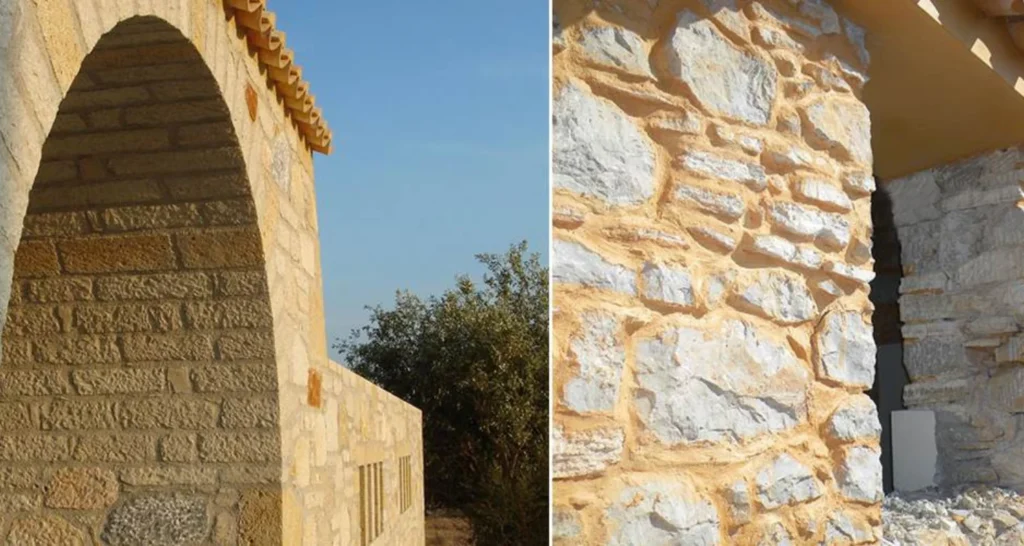
Planning and Preparation for Paving
Before starting a paving project, careful planning and preparation is essential to ensure that the result is both sustainable and aesthetically pleasing. First of all, it is important to measure the area to be paved. Accurate measurements are fundamental for a correct layout and to ensure that the chosen material is adequate. The use of string and tape measures can help in this process to get clear guidelines. It is also beneficial to sketch a design, which can provide a visual reference and help in the choice of pattern and type of stones.
The choice of material is one of the most critical parts of paving. Different types of stones, such as granite, limestone or concrete slabs, offer different advantages and can be adapted to the specific environment. It is important to consider both aesthetics and durability when making your choice. The durability of the stone is also influenced by the soil conditions; a thorough understanding of the soil and drainage possibilities is necessary. It may be worth carrying out a soil analysis to identify potential problems such as high water table or clay soil, which may affect the installation and its long-term functioning.
Furthermore, consideration also needs to be given to how the new paving will integrate with its surroundings. It is about creating a harmonious transition between old and new surfaces, improving the overall aesthetics and functionality. By choosing colors and patterns that complement the existing environment, a unified look can be achieved. In addition, functional aspects such as traffic flow and possibly landscaping around the paved surface should be considered to promote sustainability. Careful planning and preparation can ensure that the final paving is not only visually appealing but also sustainable and functional in the long term.
Concluding thoughts: The importance of continuous maintenance
To ensure that stone staircases, window sills and stone facades retain their beauty and durability for a long time, continuous maintenance is essential. Stone surfaces are exposed to various stresses, including weather conditions, dirt and mechanical wear, which can affect their structure and appearance. By carrying out regular maintenance, stone surface owners can identify problems early and address them before they develop into major damage.
Prevention plays a key role in the maintenance process. Regular inspections of stone stairs, window sills and stone facades can help detect cracks, discoloration or contamination. These inspections should be carried out at least once a year, and it is important to note any changes in the condition of the stone surface. It can be useful to document these inspections so that trends can be easily seen over time and action can be taken rather than waiting until the damage becomes severe.
Furthermore, it may be wise to invest in professional deep cleaning when necessary. Such cleaning can restore the shine of stone surfaces and prevent the build-up of dirt and algae that can accelerate the degradation of the stone. It is also important to use the right products and methods for cleaning and maintenance, to protect the properties of the stone.
As a final recommendation, it is worth ensuring that drains and drainage systems are cleaned regularly to prevent water accumulation around stone surfaces. By following these guidelines and considering the importance of continuous maintenance, owners can enjoy their stone staircases, window sills and stone facades for many years to come.
Follow us on social media:


