
Logistics
Logistics and Materials Management in Construction
Crane Coupling and Use of Different Vehicle Types.
Logistics and Materials Management in Construction
Logistics in the construction industry is a cornerstone of the success of any project, regardless of its size or complexity. It is the process that brings together the theory of materials management with the practice and ensures that all necessary components - from raw materials and equipment to labor and means of transport - are used in the most efficient and cost-effective way.
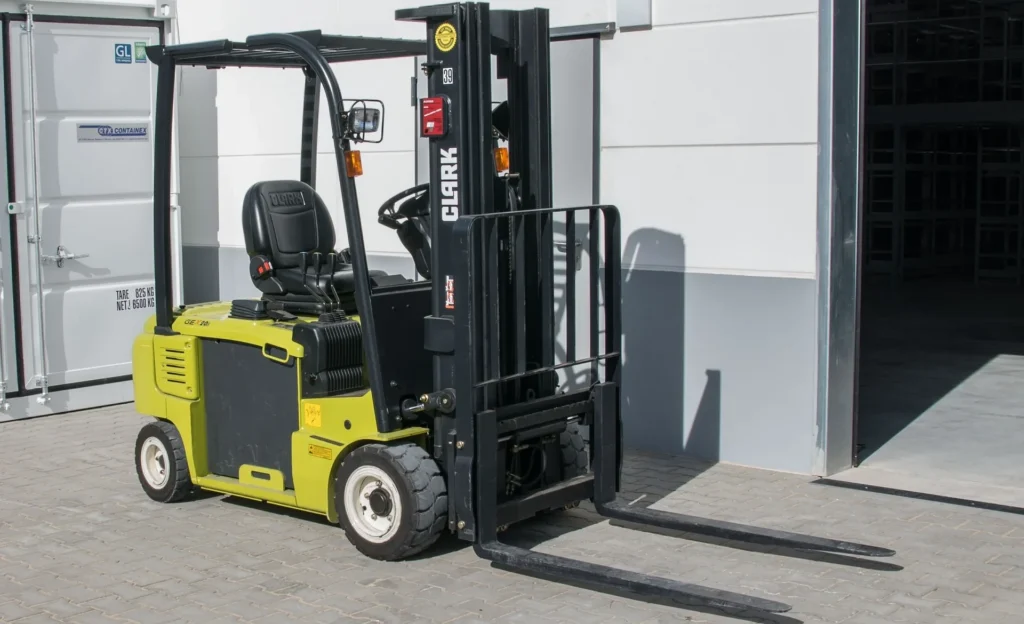
On a construction site, where needs and requirements can change daily, the right management of logistics can make the difference between successful project delivery and delays or even failure. This area includes not only the physical movement of materials, but also the planning, strategy and implementation of solutions that improve productivity, reduce costs and ensure workplace safety.
The Central Importance of Logistics in the Construction Industry
Logistics in the construction industry is not just about transporting materials from point A to point B. It is a complex process that involves:
Bearing Handling: Tracking materials and equipment to ensure they are available when needed is crucial. For example, shortages of construction materials can cause delays that affect the whole project.
Transportation planning: Knowing when and how to transport materials is as important as making sure they arrive safely at their destination. Planning involves calculating distances, managing time and using appropriate vehicles.
Resource optimization: The right allocation of resources, be it labor or equipment, reduces overall project costs.
Problem solving in real time: Unforeseen events are inevitable. Effective logistics planning ensures that problems, such as lack of storage space or delayed deliveries, are addressed immediately.
Want to start a project with us?
Get in touch today and we'll make your vision a reality. Contact us now, and together we will take the first step towards creating something amazing!
Crane Coupling: The Art of Connecting Cranes
Crane coupling is a specialized task that requires precision, technical knowledge and experience. Any mistake in this process can have serious consequences, both for the safety of the workplace and the success of the project.
Technical Processes
Connecting a faucet involves the use of high-quality equipment, such as:
- Steel wire ropes: Durable materials to ensure safe load lifting.
- Hooks and seat belts: Used to secure and stabilize the load during lifting.
- Sensors and Monitoring Technologies: Equipment that checks balance and weight in real time.
Example of use
- In the construction of high-rise buildings, where materials have to be lifted to great heights, proper crane coupling ensures that everything reaches its destination safely.
- In infrastructure projects, such as bridges or tunnels, cranes are used to transport massive pieces of prefabricated building components.
Different Types of Cranes and Trucks: Specialization in Transport
Each project is unique and requires different tools and equipment to be implemented. Therefore, there are several types of cranes and trucks, such as:
Crane
- Stationary cranes (Fixed Cranes): Ideal for large projects where heavy loads need to be lifted over long distances.
- Rotating Cranes: Provides flexibility and precision, especially in confined spaces.
- Portable Cranes: Practical for small projects or temporary work.
Lorries
- Multifunctional trucks: Can transport different types of loads, from light materials to heavy machinery.
- Trucks with cranes: Suitable for combined transportation and lifting tasks.
- Special vehicles (e.g. heavy trailers): Used for the transportation of large and bulky items.
Strategies for Safety and Efficiency
Proper logistics management is not only about efficiency but also about safety. Companies must follow strict guidelines to ensure that everything is done according to safety standards.
Guidelines
- Training of staff: All workers must be fully trained in safety procedures.
- Preventive maintenance of equipment: Regular inspections and maintenance ensure that the machines run smoothly.
- Cooperation with specialized logistics companies: For large-scale projects, collaboration with experts ensures success.
Logistics is the invisible mechanism that drives the construction industry. Without it, every project - from the smallest to the largest - would face delays, increased costs and safety risks. Continuous investment in technology, staff and optimization strategies is the key to success.
Follow us on social media:


